
Individuals living with chronic pain have several treatment options available. There are conservative treatments, such as physical therapy and medication, which can help manage pain and provide relief on a temporary basis. On the other end of the spectrum, there is surgery, which can be performed using open or minimally invasive methods, depending on your choice of medical provider. Between these two extremes resides interventional pain procedures. These outpatient procedures are quick and relatively painless, but they can provide significant, long-lasting relief for those suffering from chronic pain.
Benefits of Interventional Pain Management
Interventional pain procedures target pain at the source. They’re quick and easy to administer and are considered reliable and safe. While results vary, the majority of patients are pleased with the level of pain relief they are able to achieve with interventional pain management. As an alternative to minimally invasive surgery, interventional pain management relies on a multi-disciplinary approach to pain management. Your medical provider may decide to utilize one procedure or a combination of procedures to provide you with sufficient pain relief. Ultimately, interventional pain management is a choice. Do you want to worry about the potential side effects of medication? Are you prepared to undergo a more extensive version of surgery? If not, interventional pain management may be right for you.
Interventional Procedures We Offer in Knoxville
At Tennessee Spine Specialists, we offer an array of interventional procedures to ensure that all of our patients have access to the treatment they need to relieve their particular symptoms. We understand the importance of offering a broad range of treatments for patients with varying needs, and we offer several interventional procedures at our location in Knoxville.
Epidural Steroid Injections
Epidural steroid injections are administered to patients suffering from nerve root compression in the spine caused by a disc protrusion, degenerative disc disease, osteoarthritis, or other spine-related condition. When the nerve roots become pinched, it can cause pain in the legs, buttocks, lower back, upper back, arms, shoulders, and neck. The area where a patient experiences pain correlates with the location of the affected region, which is typically relegated to the lumbar spine or cervical spine. Epidural steroid injections are administered with the guidance of an x-ray. Small doses of corticosteroids are injected directly in the affected area to decrease inflammation and mitigate pain. All in all, this outpatient procedure takes about five minutes and lasts for months.
Facet Joint Injections Blocks
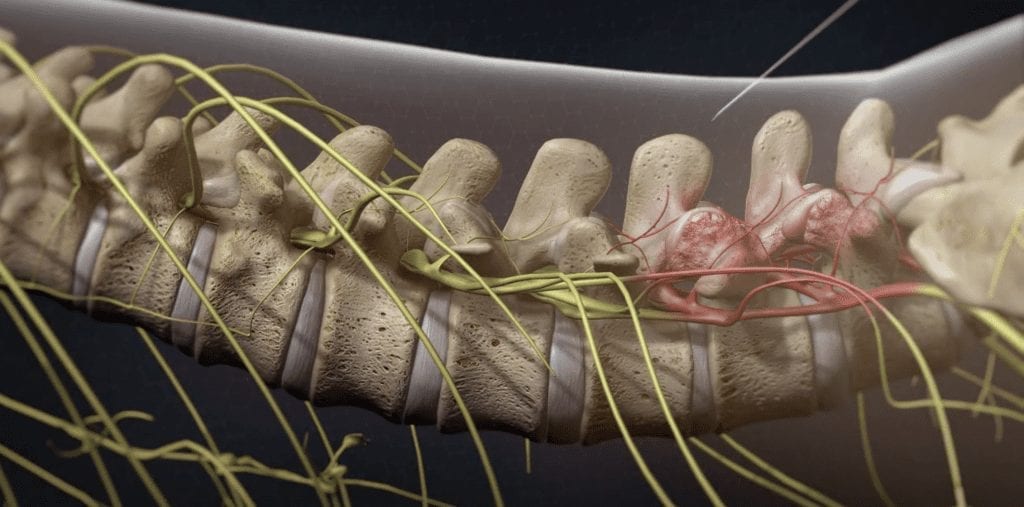
Joint Injections for pain
A facet joint injection, also referred to as a facet joint block, is another form of injection. However, unlike epidural steroid injections, which are used to decrease inflammation to relieve pinched nerves, facet joint injections relieve arthritis in the facet joints. This is a minimally invasive interventional procedure that uses a fluoroscopy (a type of real-time imaging) to precisely locate the affected area so the injection can be applied with maximum efficacy. This procedure can provide pain relief for 4 weeks or longer, allowing the patient to take part in physical therapy that would otherwise cause too much pain and discomfort. It can also be used to diagnose the source of a patient’s neck or back pain.
Radiofrequency Ablation
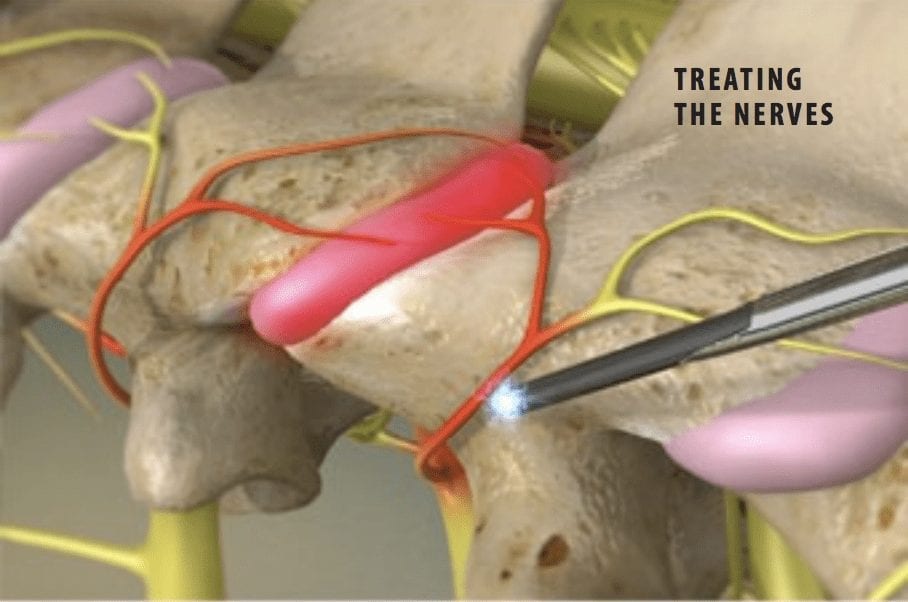
Radiofrequency Ablations
Patients suffering from recurring neck and back pain can be treated with radiofrequency nerve ablation. During this interventional procedure, the surgeon uses x-ray guidance to accurately identify the source of a patient’s symptoms. Then, a radio wave that produces a mild electrical current is transmitted into the affected nerves, nullifying them to eliminate pain. Pain relief from radiofrequency ablation can last as long as six months to a year or more. Approximately 7 out of 10 patients experienced significant pain relief after their procedure.
Sacroiliac Joint Injection
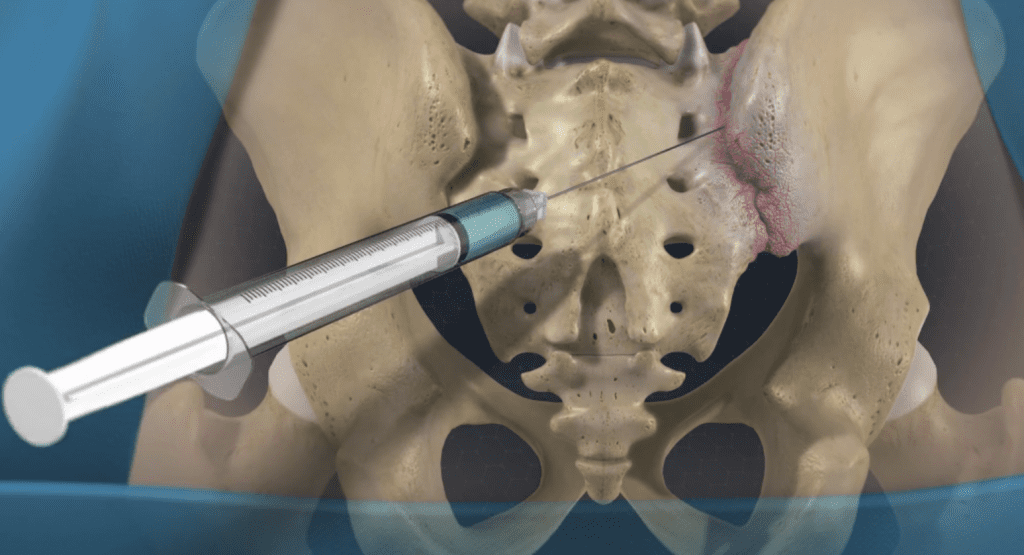 Another effective procedure utilizing a fluoroscope to precisely administer an injection, a sacroiliac joint injection utilizes a combination of local anesthetic and steroid medication to temporarily numb sacroiliac joint pain. This low-risk interventional procedure provides pain relief for several months in most patients. Another benefit of this procedure is that it can be repeated several times throughout the year to provide long-term relief. That said, chronic sacroiliac joint pain tends to grow more severe over time, and may reach a point where injections are no longer able to provide satisfactory relief.
Selective Nerve Root Block
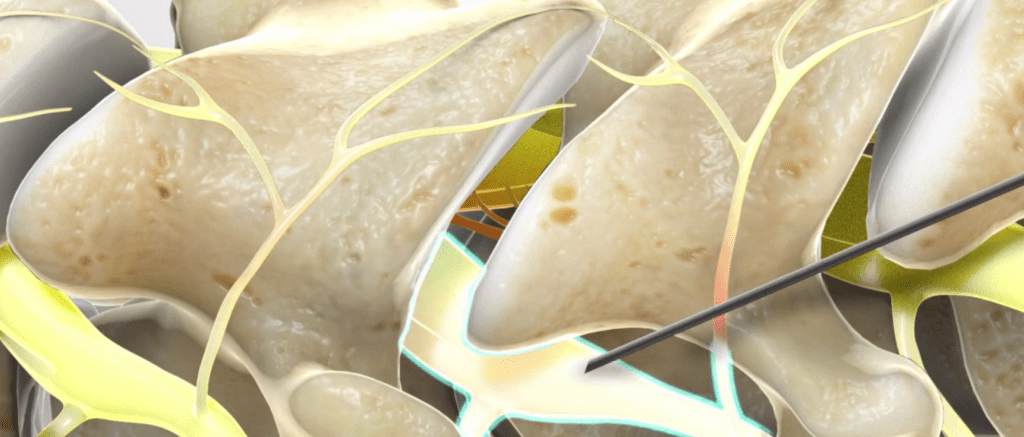 This injection is commonly used to relieve pain in the neck, shoulders, and arms resulting from a pinched nerve. Individuals suffering from a herniated disc, spinal stenosis, radiculopathy, or other degenerative spinal conditions can be treated with a selective nerve root block. For the most part, this procedure mirrors those mentioned above. This procedure is “selective” because the surgeon will select the nerve root where the injection is to be administered to best combat the patient’s symptoms. Depending on the extent of a patient’s condition, several injections may be administered during the same procedure.
Spinal Cord Stimulation
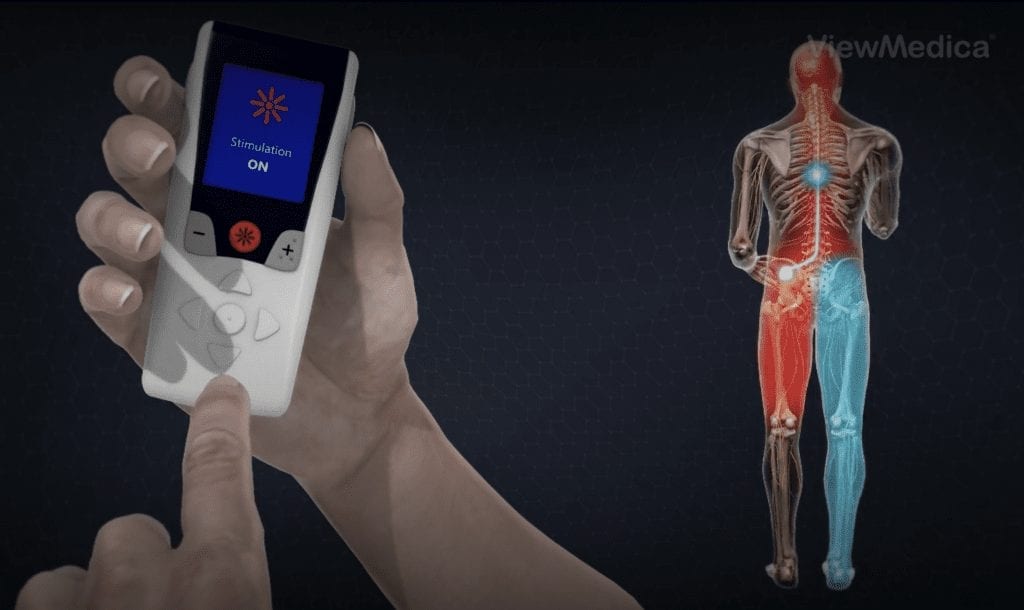
What is a Spinal Cord Stimulator
Spinal cord stimulation, also referred to as neurostimulation, is an interventional procedure that can be used to treat chronic pain. Surgeons implant a small device that transmits a low-level electrical current along the spine beneath the skin. The device is controlled using a small remote. This gives the patient the option to activate it anytime, providing on-demand pain relief. Although controllable pain relief is a unique feature that sets spinal cord stimulation apart from other interventional procedures, it’s far from the only benefit. The procedure used to install the spinal cord stimulator is minimally invasive, it’s considered a safer option than opioids, it has very few side effects, and it’s highly cost-effective.
Are There Risks To These Types of Procedures?
Most interventional procedures carry the same risks as other minimally invasive surgical procedures; namely, blood loss, infection, blood clots, fever, and pain. Fortunately, most of these surgeries require little to no incision, which greatly reduces the patient’s risk of complications. In some cases, epidural steroid injections can lead to an increase in pain, headaches, facial flushing, anxiety, insomnia, fever, a spike in blood sugar levels, and a weakened immune system. Radiofrequency ablation may also lead to increased sensitivity or numbness at the site of the procedure.
Our Neurosurgical Spine Surgery Team

Dr. Jonathan Hall Board Certified Neurosurgeon Dr. Hall is a Board Certified Neurosurgeon that specializes in treating patients that suffer from neck pain or back pain. He is able to perform minimally invasive spine surgery and the most complex procedures. Rated as one of the top spine surgeons in Tennessee, Dr. Hall performs some in…