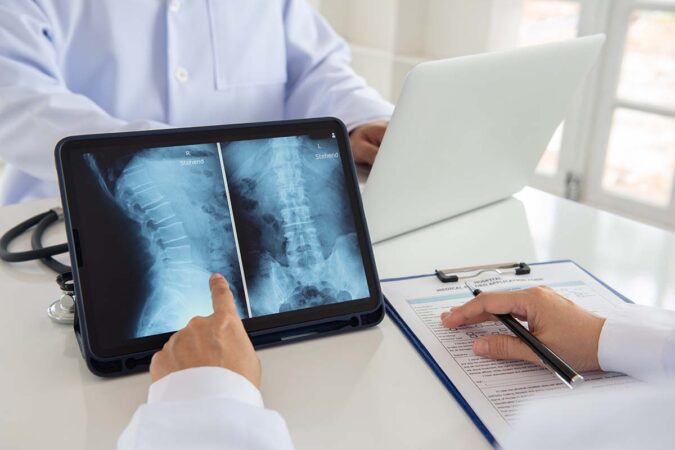
How Do You Know If You Have a Slipped Disc?

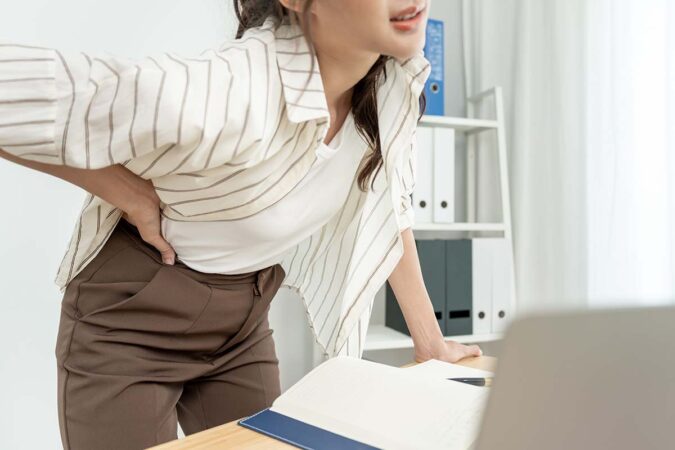
Unfortunately for many people, back pain is a frequent reality they must deal with. You could go from relaxing on the couch with your friends or family to standing and suddenly feeling a sharp pain radiates up through your lower back. What could be causing this terrible back pain? Odds are it’s a herniated disc,…

Details

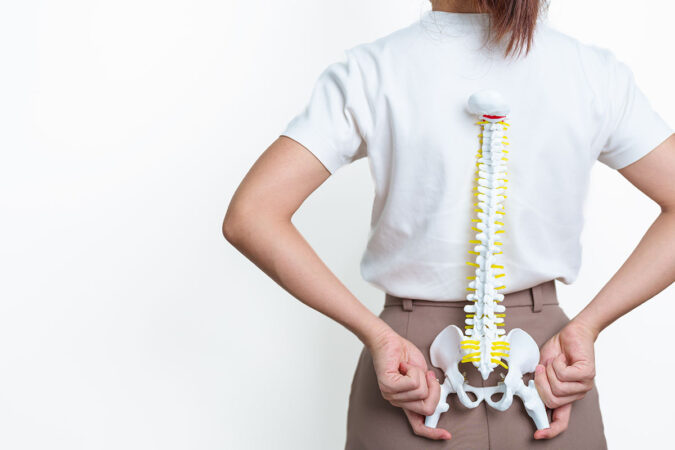
Spinal Cord Stimulator Surgery: Everything You Should Know

If you are suffering from chronic pain in the lower back or legs, then your doctor may recommend spinal cord stimulation (SCS) or neurostimulation. This is an advanced pain-relief procedure that is often recommended for an increasing number of medical conditions such as complex regional pain syndrome, neuropathy, cervical and lumbar radiculitis. If you have…

Details

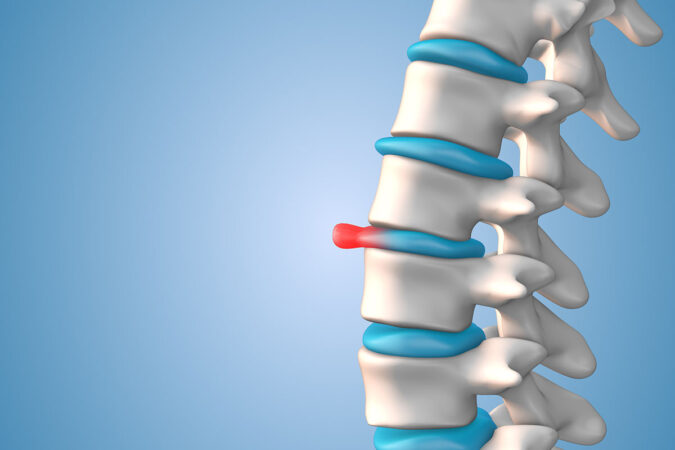
Symptoms and Causes of a Bulging Disc

Symptoms and causes of a bulging disc can vary depending on the location and gravity of the condition. Bulging discs are a result of the weakening of the tough exterior of the disc which results to pressure from the inner core that causes the outer layer to bulge out of its original position and into…

Details

Radiofrequency Ablation Procedure

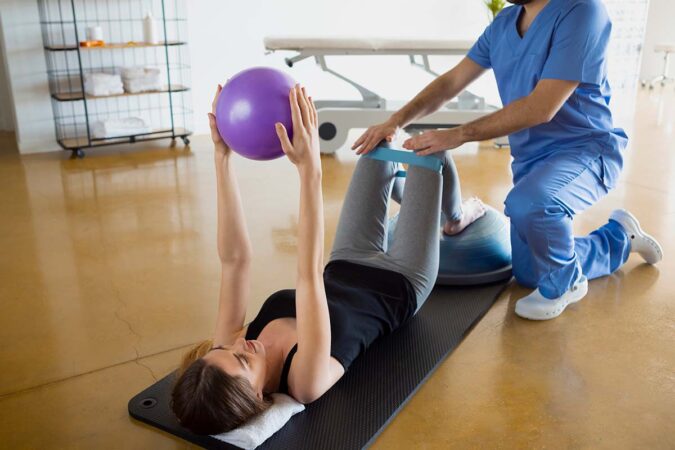
During this minimally-invasive procedure, the physician uses heat from radio waves to treat painful facet joints in your neck. This procedure is also called radiofrequency rhizotomy. It can treat pain that doesn’t respond to medications or to physical therapy. How will you be prepared for a Radiofrequency Ablation procedure In preparation for the procedure, you…

Details

Whiplash Symptoms and Treatment

INTRODUCTION Whiplash is also known as cervical acceleration-deceleration syndrome. This condition refers to the sudden and rapid backward-forward force on the neck and head – exposing the cervical spine to extreme stress specifically in the facet joints and intervertebral discs. (The cervical spine is the upper portion of the spine located in the neck region.…

Details

What is a Rotator Cuff Tear?

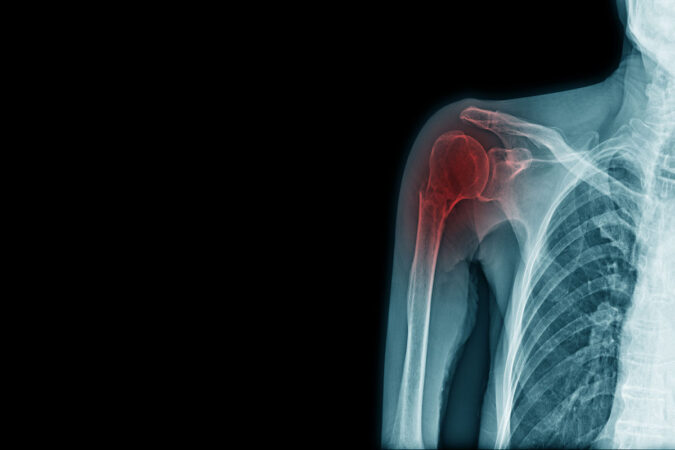
The rotator cuff is a group of muscles and tendons in each shoulder. It holds your upper arm bone in your shoulder socket. It keeps your arm stable while allowing it to lift and rotate. Too much stress on the rotator cuff can cause a tear. This can be a painful injury. Causes A rotator…

Details

ACL Tear Symptoms

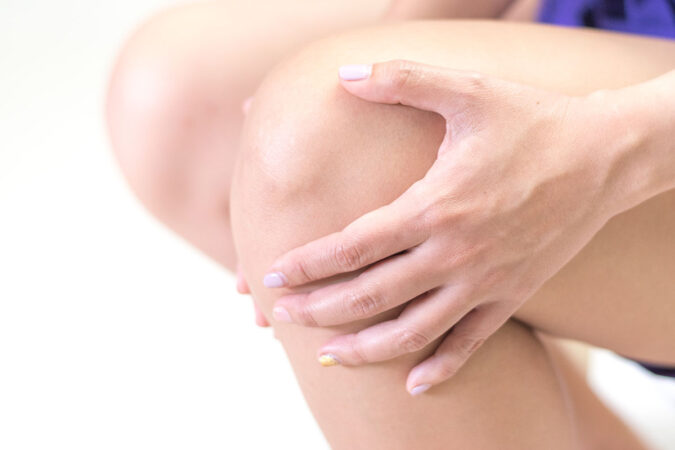
This injury is a tearing of the ACL ligament in the knee joint. The ACL ligament is one of the bands of tissue that connects the femur to the tibia. An ACL tear can be painful. It can cause the knee to become unstable. What Causes An ACL Tear? An ACL tear usually occurs during…

Details

Facet Syndrome Symptoms and Treatment

This condition is a deterioration of the facet joints, which help stabilize the spine and limit excessive motion. The facet joints are lined with cartilage and are surrounded by a lubricating capsule that enables the vertebrae to bend and twist. Joint Damage Facet joint syndrome occurs when the facet joints become stressed and damaged. This…

Details

Herniated Discs Causes, Symptoms, and Treatment Options

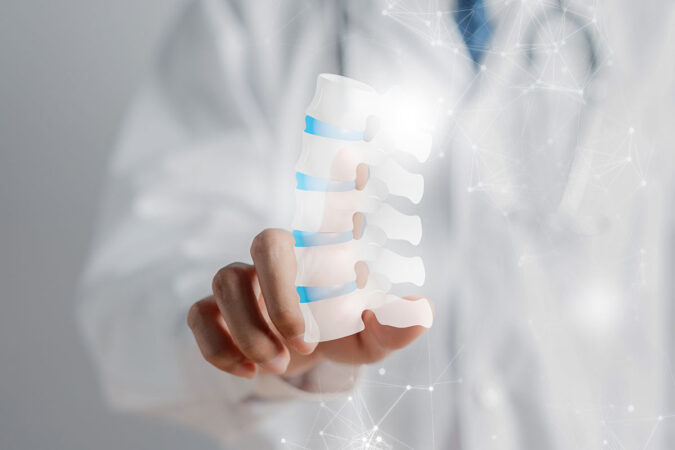
Herniated Discs A herniated disc is a common injury that can affect any part of the spine. A herniated disc can cause severe pain and other problems in the arms or legs. Disc Anatomy Vertebral discs are flexible, rubbery cushions that support the vertebral bones. They allow the spine to twist and bend. Each disc…

Details

Do I need a Rotator Cuff Repair?

Symptoms from a rotator cuff are due to the inflammation from the strain, which causes swelling, leading to localized pain and decreased mobility. Since the rotator cuff is hidden well below, the swelling is not so easily felt. However, the swelling is enough to fill up the already small space that exists in the shoulder…

Details

How to treat a Herniated Disc

Treatment for disc herniation varies depending on which part of the spine is affected and the gravity of the condition. There is a long range of treatments from conservative care to surgical procedures. It is best to consult a physician to ensure the appropriate treatment as there are other factors to be considered such as…

Details

How to prevent a Herniated Disc

A herniated disk is a result of the rupture of the outer lining (annulus fibrosus) of the disks that allow the inner substance (nucleus pulposus) to push through, not only irritating the outer wall but possibly also the surrounding spinal nerves. These discs serve as cushions for the spine as the spine is made of…

Details